Need help choosing the right flail mower? Check out our detailed Victory 2025 Flail Mower Buyer’s Guide to find your ideal mower.
Flail Mower Reviews – What Our Customers Are Saying
I have been using this flail mower for several months now. It is built very
...
Show More well and works as it should. I don't write reviews very often, but this 3-point mower is an exceptional piece of equipment and is well worth the purchase price.
Show Less
1 month ago
From shipping to quality I love this mower and Victory. Great product and g
...
Show Morereat service. Will definitely keep them in mind for future needs.
Show Less
1 month ago
Just used the flail mower last weekend. Took out everything in its path fro
...
Show Morem sage brush to 4 foot tall tumble weeds. Even leveled the gopher mounds in the pasture down. Follow the manual and use the 15w50 syn oil. Once assembled it fired right up and ran for 2 hours on a gallon of gas. Make sure you grease all lube points. One thing I wish it had and may install later is a tongue jack as it's heavy to unhook for other implements.
Show Less
1 month ago
Heavy duty mower, works as it should, well worth the money. Good service by
...
Show More
2 months ago
Ryan, thank you. The mower works well. A sturdy implement.
2 months ago
Seems to be a great mower. I’ve only gotten to use it a few times, but it
...
Show Moreworks great!! Assembly took me a bit longer than I thought it would, but I like putting stuff together so I enjoyed it. I would purchase from them again, for sure.
Show Less
2 months ago
The mower worked great! Light, but powerful. I used it on some really ste
...
Show Moreep banks which would not work with my bush-hog. I would highly recommend Victory products.
Show Less
2 months ago
I had previously purchased the EMID-64 offset flail from Victory, which unf
...
Show Moreortunately has a manufacturing defect out of the crate. The flail shaft had some porosity and wrecked the bearing after about 5 minutes of use. Ryan was fast to act, and after submitting photos of the defective shaft, sent me out a brand new Torq 70, which was larger than what I had originally purchased. He is a stand up guy. What could have been a huge nightmare was handled quickly and graciously. Hats off to you Sir. After putting 2 of these type units together and comparing them, the Torq is the better of the 2. Make sure you tighten every bolt with a torque wrench preferably. I found that after the initial hour of use, retorque everything. I went one step further and put blue Loctite on the bracket bolts that hold the roller, the skid bolts, the bearing retainer bolts, and the bolts around the belt area. You will encounter vibration when hitting stumps and such. This unit eats up whatever you throw at it. I use it on my 59 hp Yanmar, and it destroys those pesky Autumn Olives with extreme prejudice. Victory is an awesome company to work with. Hope this helps.
Show Less
2 months ago
I am very impressed at how well this flail mower performed. I have 2.5 mile
...
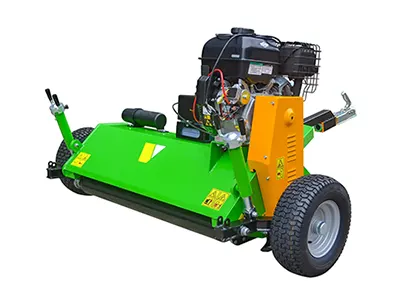
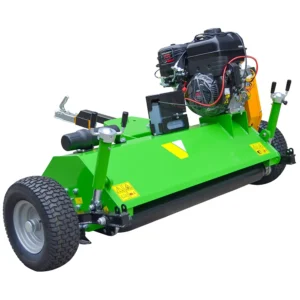
Show Mores of trails on my hunting property and clearing them used to take me a couple of days with a walk-behind sickle bar mower and line trimmer. Now it takes me about 1 to 1.5 hours to clear the trails of grass, ferns and weeds. When I assembled it I put the wheels behind the mower and to the inside. I found this set up to have way too much hitch weight, probably 100+ pounds, which I could barely lift onto the hitch of my 4-wheeler. I switched them to being inline with the drum and now it is much easier to lift onto the hitch ball. Overall I give this machine an A+. It performs very well and saves my a ton of time keeping my trails clear.
Show Less
4 months ago
Find the Right Flail Mower for Your Tractor
Choosing the right flail mower starts with more than PTO horsepower. You also need to match your tractor’s hitch category, rear lift capacity, outside tire width, and available rear remotes to the type of mowing you plan to do. Use the tool below to narrow down the models that fit your tractor and your property.
Compare Flail Mowers by Tractor HP
This table provides a quick starting point for matching mower families to tractor PTO horsepower. Use it as a first filter, then confirm lift capacity, hitch category, mower weight, and hydraulic requirements before choosing a specific model.
| HP Range |
FMHD
CAT I/II |
FMHDH
CAT I/II |
FMHDX
CAT II |
BCRL
CAT I |
BCRM
CAT I/II |
BCRI
CAT II |
EMHD
CAT II |
| 20-35 HP |
|
|
|
✔️ |
|
|
|
| 35-45 HP |
✔️ |
✔️ |
|
✔️ |
✔️ |
|
|
| 50-60 HP |
✔️ |
✔️ |
|
✔️ |
✔️ |
✔️ |
|
| 65-75 HP |
✔️ |
✔️ |
|
|
✔️ |
✔️ |
✔️ |
| 80+ HP |
|
|
✔️ |
|
|
✔️ |
✔️ |
What Is a Flail Mower?
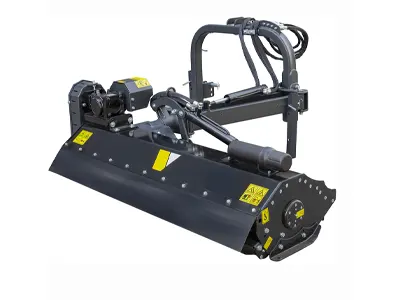
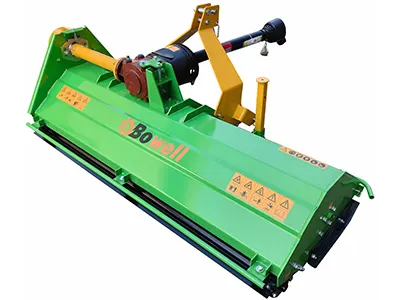
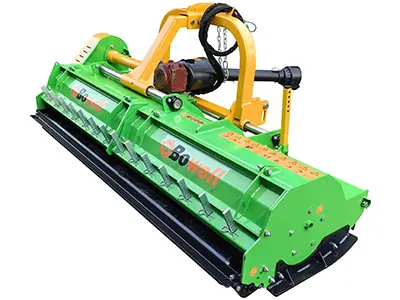
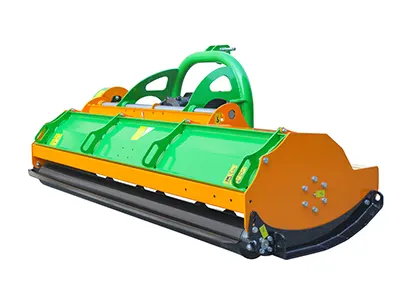
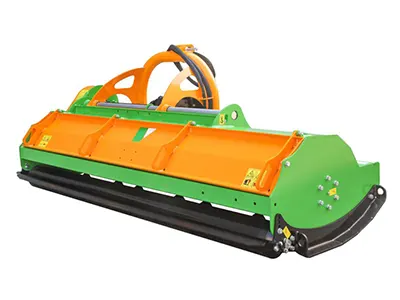
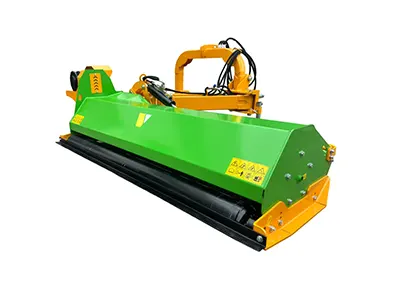
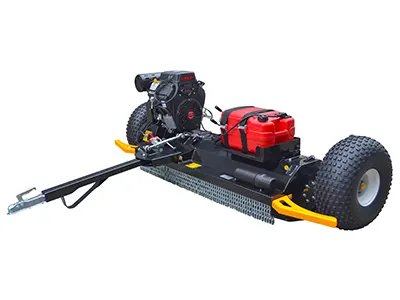
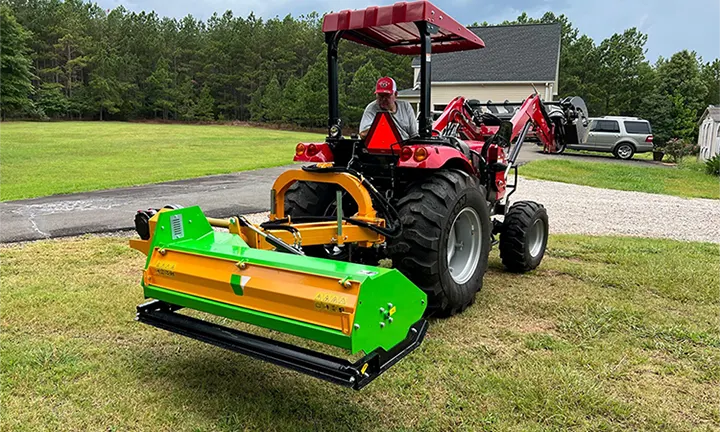
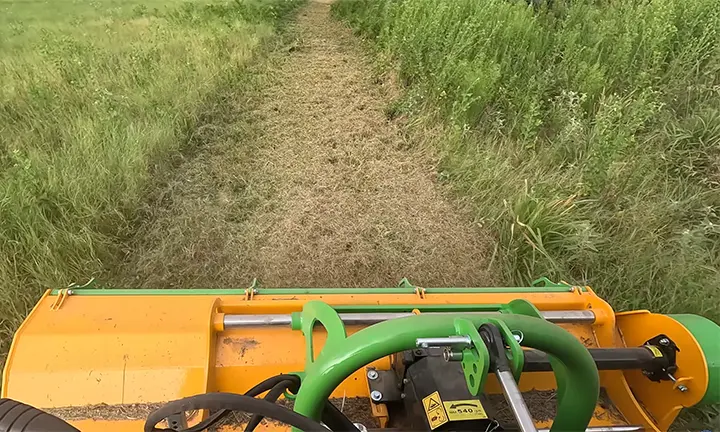
A flail mower is a PTO-driven 3-point attachment that uses multiple cutting hammers mounted on a horizontal rotor instead of one large blade. That design helps it cut and mulch grass, weeds, stalks, brush, and overgrowth into finer material while maintaining better control of clippings and debris than a typical rough-cut mower.
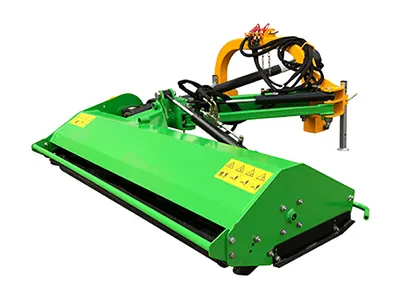
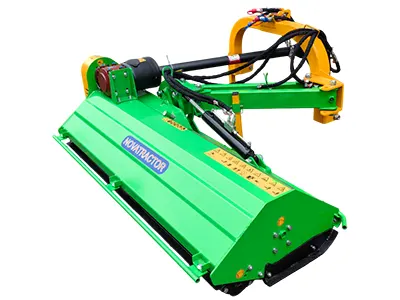
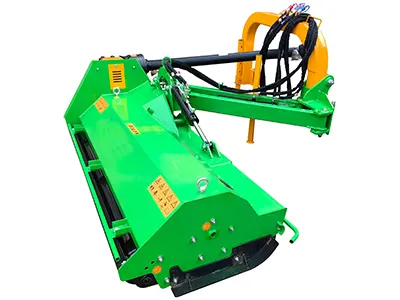
For many tractor owners, the biggest advantage of a flail mower is that it can do more than simply mow directly behind the tractor. Depending on the model, a flail mower may offer fixed offset, hydraulic side-shift, or full ditch-bank movement so you can reach fence lines, tree rows, roadsides, embankments, and other areas that are harder to manage with a standard cutter.
|
|
|
Flail Mower vs. Brush Hog: Which Is Better?
A flail mower is usually the better choice when you want a cleaner finish, finer mulching, better control of discharged material, and more flexibility around obstacles, rows, edges, and uneven terrain. A brush hog or rotary cutter is often the lower-cost choice for rough-cut field work when finish quality is less important.
Where a flail mower stands out is in the way it cuts and in the way many models can offset or tilt. If you mow fence lines, orchards, roadsides, pond edges, ditches, banks, or maintained acreage where appearance matters, a flail mower is often the more capable and more refined tool
|
Hammer Blades vs. Y Blades
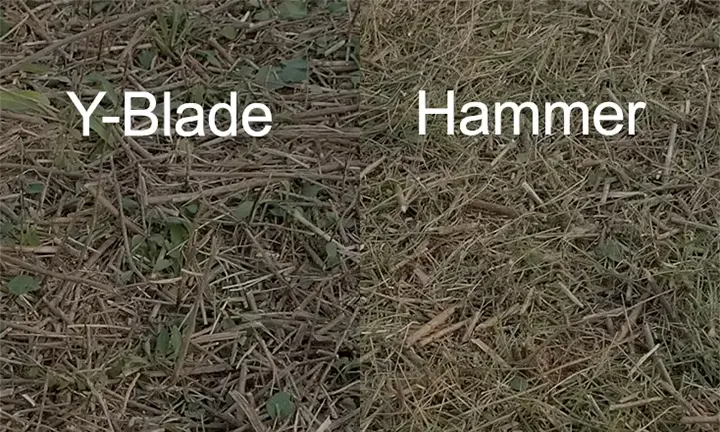
The two most common flail blade styles are hammer blades and Y blades. Hammer blades are heavier, more durable, and better suited to mixed conditions that include thick grass, weeds, stalks, and light brush. Y blades can work well in lighter mowing conditions, but hammer blades are generally the better all-around choice for landowners who need one mower to handle both maintenance mowing and heavier seasonal growth.
That is why all of our flail mowers come equipped with hammer blades. They give most tractor owners the widest operating range without forcing a compromise between finish quality and cutting ability.
|
|
|
Fixed Offset vs. Hydraulic Offset vs. Ditch-Bank Flail Mowers
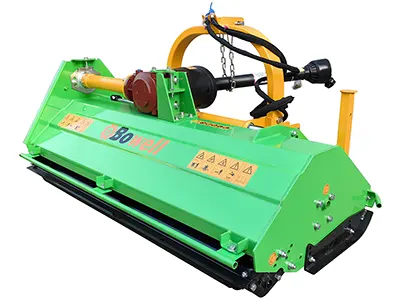
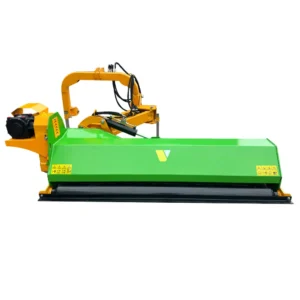
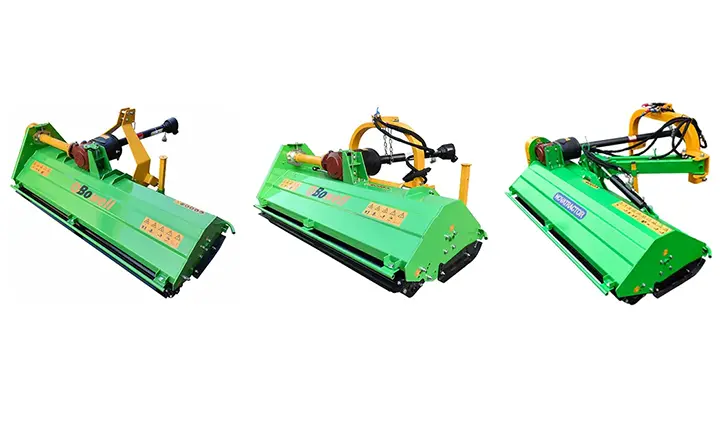
A fixed-offset flail mower is a good choice for general pasture maintenance, field edges, and fence lines when you want the mower to run slightly outside the tractor’s track without adding hydraulic complexity. A hydraulic offset flail mower lets you shift the mower from the seat, which is useful when mowing around trees, posts, vineyard rows, orchards, roadsides, and changing boundaries.
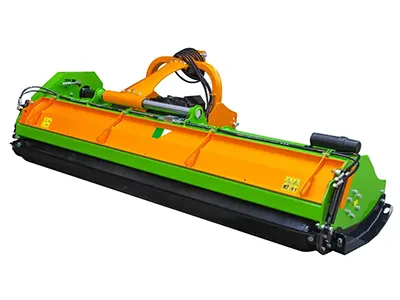
A ditch-bank flail mower adds both reach and tilt. This is the right style when you need to mow embankments, roadside slopes, pond edges, drainage ditches, hedge lines, and similar areas while keeping the tractor on more level ground. These models require more attention to tractor compatibility, hydraulic needs, lift capacity, ballast, and stability than a standard flail mower.
|
How to Choose the Right Flail Mower
Start with your tractor’s PTO horsepower, but do not stop there. The right flail mower also depends on hitch category, rear lift capacity, outside tire width, hydraulic remotes, terrain, and the type of material you cut most often.
- Choose a standard or medium-duty flail mower for regular pasture cleanup, overgrown fields, orchard rows, and general maintenance.
- Choose a hydraulic offset flail mower if you regularly mow along fence lines, tree rows, roadsides, or buildings.
- Choose a ditch-bank or embankment mower if you need to cut slopes, pond banks, roadside shoulders, hedges, or drainage areas.
- Choose the widest mower your tractor can safely power and carry, while still leaving enough margin for rough terrain, ballast needs, and hydraulic requirements.
If you are unsure, use the compatibility tool above as a starting point, then verify your tractor specs before ordering.
|
 |
Need more help comparing mower types, widths, and tractor fit? Start with our Flail Mower Buyer’s Guide and use our Compatibility Tool to narrow down the best option for your tractor, terrain, and mowing conditions.
Frequently Asked Questions (Flail Mower FAQ)
Below are answers to the most common questions buyers ask when comparing flail mowers, including cut quality, sizing, blade type, offset options, and what to look for when matching a mower to a tractor.
What Is a Flail Mower?
A flail mower is a PTO-driven 3-point attachment that cuts with multiple blades mounted on a rotating drum rather than one large blade. This design helps it mulch material more finely, maintain better control of clippings, and deliver a cleaner, more even finish than a typical rough-cut mower.
What Is the Difference Between a Flail Mower and a Brush Hog?
A flail mower is typically chosen for cleaner cutting, finer mulching, better debris control, and the ability to mow more precisely along edges, rows, and uneven areas. A brush hog is usually the more economical choice for rough-cut field mowing when finish quality and edge control are less important.
When Should You Use a Flail Mower?
A flail mower is the better choice when you are mowing overgrown grass, weeds, roadside shoulders, orchard rows, fence lines, pond edges, drainage areas, or uneven ground where you want a more controlled cut and a more finished result. It is especially useful when offset or ditch-bank capability matters.
What Size Flail Mower Do I Need?
The right size depends on your tractor’s PTO horsepower, hitch category, rear lift capacity, tire width, available hydraulic remotes, and the type of terrain you mow. In general, you want the widest mower your tractor can safely power and carry without sacrificing stability, especially on slopes or when using a ditch-bank mower.
Are Hammer Blades Better Than Y Blades?
For most landowners, yes. Hammer blades are the better all-around option because they handle heavier grass, weeds, stalks, and light brush while still producing a clean finish. Y blades can work in lighter mowing conditions, but hammer blades are usually the better choice when versatility matters.
Do I Need Fixed, Hydraulic, or Ditch-Bank Flail Mower?
Choose fixed offset for routine mowing along edges and fence lines when you do not need to adjust mower position from the seat. Choose hydraulic offset when you regularly mow around trees, posts, rows, roadsides, or changing boundaries. Choose a ditch-bank flail mower when you need reach and tilt for slopes, embankments, pond banks, drainage ditches, or hedges.
What Is the Most Affordable Flail Mower?
If price is the main concern, a lighter-duty or standard-duty flail mower is usually the most affordable entry point. The best budget choice depends on your tractor size and whether you need a standard mower, offset mower, or ditch-bank mower. It is usually better to buy the lightest mower that truly fits your tractor and mowing conditions than to buy strictly by lowest price.
How High Can a Flail Mower Cut?
Cut height depends on the mower design, rear roller setting, skids, top-link adjustment, and operating setup. Most flail mowers are used for controlled maintenance mowing rather than very high rough-cut height, and they are best when adjusted for consistent finish and proper rotor performance.
What Is the Best 3-Point Flail Mower?
There is no single best 3-point flail mower for every tractor or property. The best choice depends on whether your priority is affordability, heavier material handling, hydraulic side-shift, or ditch-bank capability. Start with compatibility first, then choose the mower family that matches how and where you mow.
How Are Flail Mowers Delivered and Set Up?
Most 3-point flail mowers ship largely assembled, but final setup varies by model. Standard flail mowers usually require minimal assembly, while hydraulic offset and ditch-bank flail mowers may require installation of swing arms, cylinders, hoses, or related hardware. Before ordering, always confirm your tractor’s hitch category, lift capacity, and hydraulic compatibility.
At Victory Tractor Implements, we source all of our equipment directly from the manufacturer and pass the savings on to our customers. As always, the team is standing by to answer any questions to assist with your decision. Victory Support can be reached directly at (562) 534-8182 or sales@etractorimplements.com